

The Research Challenge Behind a Specialized Rescue Training Course
Building a credible training course on Search and Rescue, Wilderness SAR, jungle survival, and vertical rescue is not simply a matter of compiling what is publicly available. These fields operate on operational knowledge — protocols developed in the field, refined through real deployments, and held by practitioners who do not always publish their expertise online.
The course developer behind this project understood that gap. They needed a research partner who could navigate specialized terminology, locate the right institutional sources, and identify experts worth interviewing — all while keeping the project on a structured timeline.
How We Approached the Work
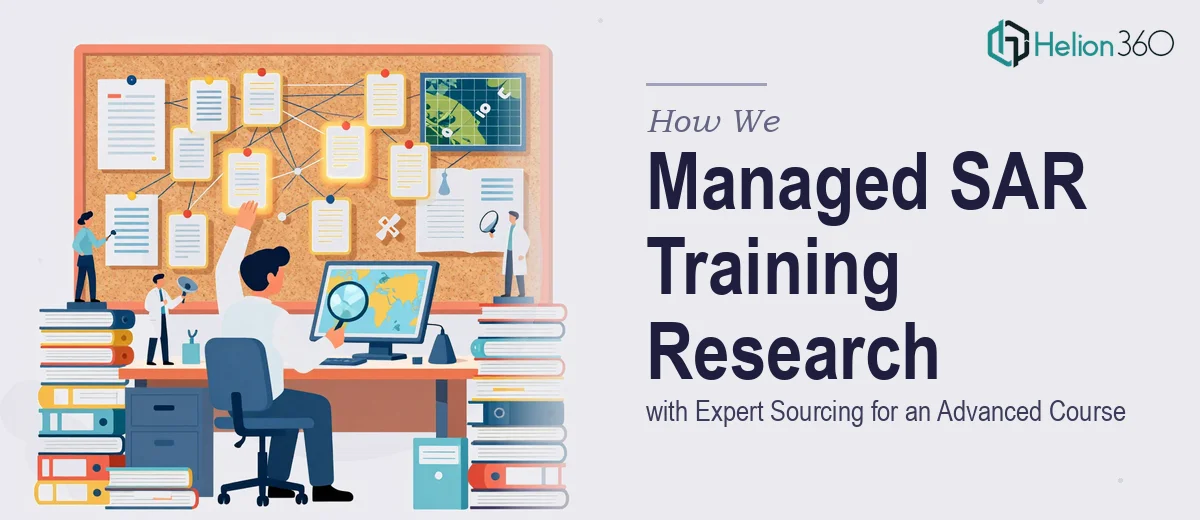
Helion360 began by building a four-part research framework aligned to the course's core topics. Rather than treating each subject in isolation, we identified where methodologies overlapped — for example, how wilderness navigation principles intersect with jungle survival fieldwork — and structured our sourcing accordingly.
For published resources, we drew from recognized SAR training bodies, emergency services publications, and international wilderness rescue institutions. We prioritized materials that reflected current operational standards rather than outdated or purely academic references.
The expert outreach component required a different kind of rigor. We developed a targeted list of practitioners with verifiable field backgrounds in WSAR, vertical rescue, and jungle operations, then managed communication on the developer's behalf to confirm availability and interview relevance.
Organizing Knowledge for Course Development
As research materials accumulated, we translated them into structured outlines and annotated notes segmented by topic. Every section was formatted to move directly into the developer's drafting workflow — no raw dumps, no unsorted files.
When feedback arrived mid-project, we incorporated revisions cleanly, adjusting structure and emphasis without disrupting the overall organization. The process stayed consistent across all six weeks, delivering 10–15 hours of focused research output per week as scoped.
What Was Delivered
By the end of the engagement, the developer had a complete, organized research foundation covering all four course areas. Practitioner interviews had been sourced and coordinated, and every section was backed by credentialed references and real operational insight. The transition from research to course drafting required minimal rework.
Working With Helion360
If you are building a course, report, or training program in a technical or field-specific domain and need research that goes beyond surface-level sourcing, Helion360 is equipped to handle it. We have done this kind of structured, expert-driven research work before and we know what it takes to deliver something a specialist audience will respect.