

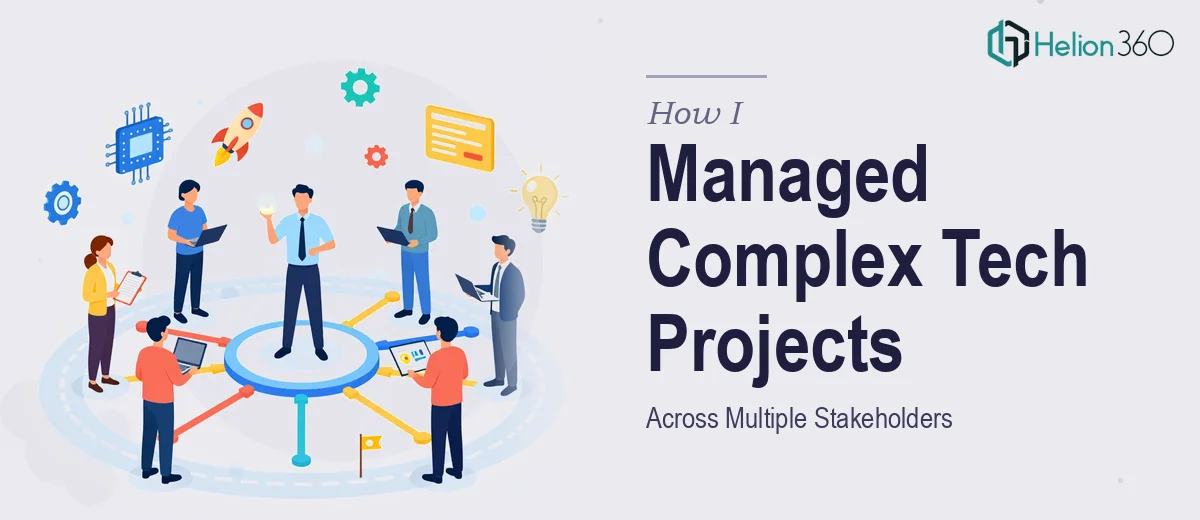
When you are managing an emerging technology project inside a startup environment, the complexity does not announce itself all at once. It creeps in — first through misaligned stakeholder expectations, then through communication gaps across cross-functional teams, and finally through the simple reality that there is never enough time to do everything well.
That was exactly where I found myself. I was overseeing a project that sat at the intersection of product development, technical strategy, and executive reporting. Each group needed something different, and each had its own definition of progress.
The Pressure of Managing Across Teams
The project involved Agile sprint cycles, ongoing stakeholder updates, and strategic initiative reviews happening simultaneously. My role required me to keep the execution on track while also communicating clearly upward to leadership and outward to partners who were not deeply technical.
The operational side I could manage. What started to break down was the communication layer — specifically, the presentation materials. Every few weeks I needed to deliver polished, structured updates: project roadmaps, progress decks, strategic overviews. The content existed in various forms across notes, spreadsheets, and internal documents, but pulling it into clear, professional slide presentations was eating into time I did not have.
I tried building a few decks myself. I know my way around PowerPoint well enough, but the gap between a functional slide and a presentation that actually communicates a complex technology project clearly to a non-technical executive audience — that gap is wider than it looks. My slides were dense, inconsistent, and frankly not doing justice to the work the team was doing.
Where the Bottleneck Actually Was
For a while I convinced myself the problem was just time. If I had more hours, the slides would be fine. But after one stakeholder review where the feedback focused more on the presentation than the project itself, I accepted the real issue: the visual communication was undermining the substance.
Managing emerging tech projects means your audience is often skeptical, time-short, and making high-stakes decisions. A cluttered deck is not just an aesthetic problem — it is a credibility problem.
That is when I reached out to Helion360. I explained the situation: I had structured content and clear thinking, but the presentations were not landing the way the work deserved. Their team understood the brief quickly and asked the right questions about audience, tone, and the level of technical detail that needed to translate visually.
What the Collaboration Actually Looked Like
I handed over my rough materials — notes, raw slides, a few diagrams — and Helion360 took it from there. What came back was a presentation that organized the project narrative in a logical flow: the strategic context, the current state, the roadmap, and the key decisions needed from stakeholders. Each section was visually consistent, easy to scan, and built to be presented in a live meeting without requiring the speaker to explain around confusing slides.
The turnaround was fast, which mattered. In a startup managing multiple competing priorities, waiting weeks for a polished deck is not viable.
The next stakeholder review went noticeably differently. Conversations stayed on substance. The questions were about decisions and direction, not about what a slide was trying to say. That is the outcome a good project presentation should produce.
What I Learned About Presentation as a Project Tool
Running complex emerging technology projects requires more than good execution on the technical side. How you communicate progress, risk, and strategy to a diverse group of stakeholders is itself a project management function. When that communication is unclear, the entire project feels less credible — regardless of how solid the underlying work is.
Building presentation skills takes time, and in a fast-moving environment, the cost of producing poor slides is not just aesthetic. It affects trust, decision-making speed, and alignment across teams.
If you are managing a complex project and finding that your presentation materials are not keeping pace with the quality of your work, Helion360 is worth reaching out to. They handled the translation from messy working materials to clear executive-ready slides, and the difference was immediately visible in how stakeholders engaged with the project. I also documented similar challenges in strategic presentation design work, where timing and clarity proved equally critical to project success.